

These resources, verses and prayers are available as a supplement and/or support to our Churchwide Campaign
ARTICLES
BOOKS
A very accessible exploration of forgiveness, especially helpful in understanding forgiveness as a process rather than simply a feeling.
PRAYERS
SCRIPTURE
RIGHT NOW MEDIA STUDIES
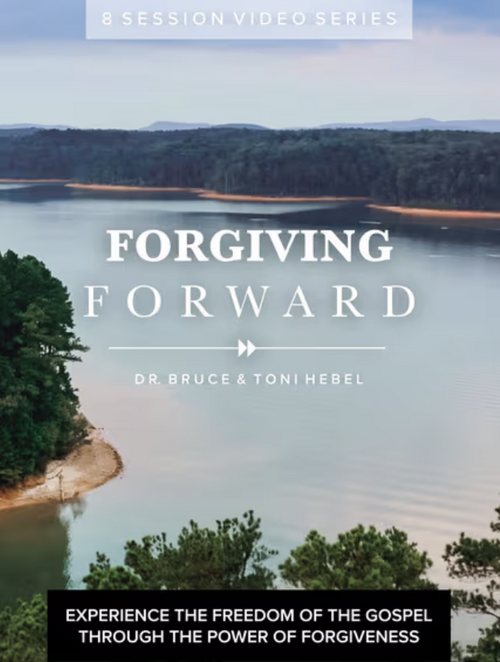
What if I told you forgiveness was possible?
Too often we think of forgiveness as some long process we need to go through before we can have peace. Nothing could be further from the truth. Actually, forgiveness is transactional. When someone wounds us, a debt is incurred. But what is fair compensation for the damages we’ve suffered?
The payment required to truly make us whole again is staggering. No amount of apologies or other forms of restitution from the offending party could ever cover the cost of their sin that wounded us. But there is good news! God has given us a strategy in His word to help us live out Gospel-centric forgiveness. To truly forgive someone, we must look to the cross where the blood of Jesus covers all sin, including the ones that wound us.
Too often we think of forgiveness as some long process we need to go through before we can have peace. Nothing could be further from the truth. Actually, forgiveness is transactional. When someone wounds us, a debt is incurred. But what is fair compensation for the damages we’ve suffered?
The payment required to truly make us whole again is staggering. No amount of apologies or other forms of restitution from the offending party could ever cover the cost of their sin that wounded us. But there is good news! God has given us a strategy in His word to help us live out Gospel-centric forgiveness. To truly forgive someone, we must look to the cross where the blood of Jesus covers all sin, including the ones that wound us.
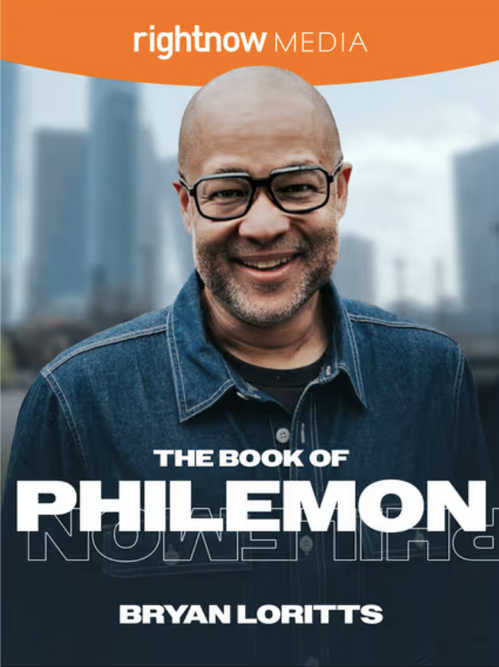
How do we handle conflict as Christians? This question has plagued the church for centuries and continues to trip us up even today. In this three-part series, pastor and author Bryan Loritts will walk us through the book of Philemon, showing us the apostle Paul's framework for reconciliation. Join Bryan and learn what it takes to live in unity with other believers.
BIOGRAPHIES
Biographies feature humble Christ-followers who were genuine and authentic in their human struggles, possessing a genuine faith in God's power to empower them to forgive. An example is from the book Tramp for the Lord by Corrie ten Boom.
In one chapter, she talks about a moment of meeting one of her former guards at Ravensbrück
"It was in a church in Munich that I saw him, a tall heavy man in a gray coat, a brown felt hat clutched between his hands. People were filing out of the basement room where I had just spoken...
And that’s when I saw him, working his way forward against the crowd. One moment I saw the overcoat and the brown hat; the next a blue uniform and a visor cap with its skull and crossbones. It came back with a rush: the huge room with its harsh overhead lights, the pathetic pile of dresses and shoes in the center of the floor, the shame of walking naked past this man. I could see my sister’s thin form ahead of me, ribs sharp beneath the parchment skin. Betsie, how frail you were!
Now he was in front of me, hand outstretched.
'A fine message, Fräulein!' he said. 'How good it is to know that, as you say, all our sins are at the bottom of the sea!'
And I, who had spoken so glibly of forgiveness, fumbled in my purse rather than take that hand. He didn’t remember me, of course—how could he remember one prisoner among those thousands of women?
'You mentioned Ravensbrück in your talk,' he was saying. 'I was a guard there.' No, he did not remember me. 'But since that time,' he went on, 'I have become a Christian. I know that God has forgiven me for the cruel things I did there, but I would like to hear it from your lips as well. Fräulein'—again the hand came out—'will you forgive me?'
And I stood there—I whose sins had again and again to be forgiven—and could not forgive. Betsie had died in that place—could he erase her slow terrible dying simply for the asking?
It could not have been more than a few seconds that he stood there, hand held out, but to me it seemed hours as I wrestled with the most difficult thing I had ever had to do.
For I had to do it—I knew that. The message that God forgives has one condition: that we forgive those who have injured us. 'If you do not forgive men their trespasses,' Jesus says, 'neither will your Father in heaven forgive your trespasses.' ...
Still I stood there with the coldness clutching my heart. But forgiveness is not an emotion—forgiveness is an act of the will, and the will can function regardless of the temperature of the heart. 'Jesus, help me!' I prayed silently. 'I can lift my hand. I can do that much. You supply the feeling.'
In one chapter, she talks about a moment of meeting one of her former guards at Ravensbrück
"It was in a church in Munich that I saw him, a tall heavy man in a gray coat, a brown felt hat clutched between his hands. People were filing out of the basement room where I had just spoken...
And that’s when I saw him, working his way forward against the crowd. One moment I saw the overcoat and the brown hat; the next a blue uniform and a visor cap with its skull and crossbones. It came back with a rush: the huge room with its harsh overhead lights, the pathetic pile of dresses and shoes in the center of the floor, the shame of walking naked past this man. I could see my sister’s thin form ahead of me, ribs sharp beneath the parchment skin. Betsie, how frail you were!
Now he was in front of me, hand outstretched.
'A fine message, Fräulein!' he said. 'How good it is to know that, as you say, all our sins are at the bottom of the sea!'
And I, who had spoken so glibly of forgiveness, fumbled in my purse rather than take that hand. He didn’t remember me, of course—how could he remember one prisoner among those thousands of women?
'You mentioned Ravensbrück in your talk,' he was saying. 'I was a guard there.' No, he did not remember me. 'But since that time,' he went on, 'I have become a Christian. I know that God has forgiven me for the cruel things I did there, but I would like to hear it from your lips as well. Fräulein'—again the hand came out—'will you forgive me?'
And I stood there—I whose sins had again and again to be forgiven—and could not forgive. Betsie had died in that place—could he erase her slow terrible dying simply for the asking?
It could not have been more than a few seconds that he stood there, hand held out, but to me it seemed hours as I wrestled with the most difficult thing I had ever had to do.
For I had to do it—I knew that. The message that God forgives has one condition: that we forgive those who have injured us. 'If you do not forgive men their trespasses,' Jesus says, 'neither will your Father in heaven forgive your trespasses.' ...
Still I stood there with the coldness clutching my heart. But forgiveness is not an emotion—forgiveness is an act of the will, and the will can function regardless of the temperature of the heart. 'Jesus, help me!' I prayed silently. 'I can lift my hand. I can do that much. You supply the feeling.'
This book tells the story of Louis Zamperini going to Japan after the WW2 to forgive a brutal Japanese prison camp guard
In this autobiography, Corrie ten Boom tells the story of living in a concentration camp and ultimately forgiving a Nazi guard who attended one of her speaking engagements
Elisabeth Elliot shares the powerful story of forgiving the people who killed her missionary husband, Jim